
In the realm of sports, media coverage plays a pivotal role in shaping public perception and influencing fan engagement. The concept of unbiased sports media critique is essential for ensuring that audiences receive accurate and fair representations of events, athletes, and teams. This critique involves analyzing how sports stories are reported, the language used, and the narratives constructed around them. An unbiased approach not only enhances the credibility of sports journalism but also fosters a more informed and engaged fan base.
The need for unbiased reporting has become increasingly apparent in an era where sensationalism often overshadows factual reporting. As sports fans consume content from various sources, the challenge lies in discerning objective analysis from subjective commentary. This article will explore the nuances of bias in sports reporting, its implications, and the strategies that can be employed to promote fairness and balance in sports media.
In the realm of sports media criticism, it is essential to examine how coverage impacts public perception of athletic performance. A thought-provoking article that delves into this topic is available at Athletic Performance: A Comprehensive Guide. This piece not only highlights the intricacies of athletic performance but also critiques the media’s role in shaping narratives around athletes and their achievements, offering valuable insights for both fans and critics alike.
Understanding Bias in Sports Reporting
Bias in sports reporting can manifest in various forms, including favoritism towards specific teams, players, or leagues. This favoritism may stem from personal affiliations, regional loyalties, or even financial incentives. For instance, a journalist who has a long-standing allegiance to a particular team may unconsciously skew their reporting to highlight that team’s strengths while downplaying its weaknesses. Such biases can distort the narrative and mislead audiences about the true nature of events.
Moreover, bias can also arise from the language used in reporting. The choice of words can significantly influence how a story is perceived. For example, describing a player as “aggressive” may carry a negative connotation, while labeling another as “passionate” might evoke a more positive response. These subtle differences can shape public opinion and create an uneven playing field in how athletes are portrayed. Understanding these dynamics is crucial for both journalists and consumers of sports media.
The Impact of Bias on Sports Coverage
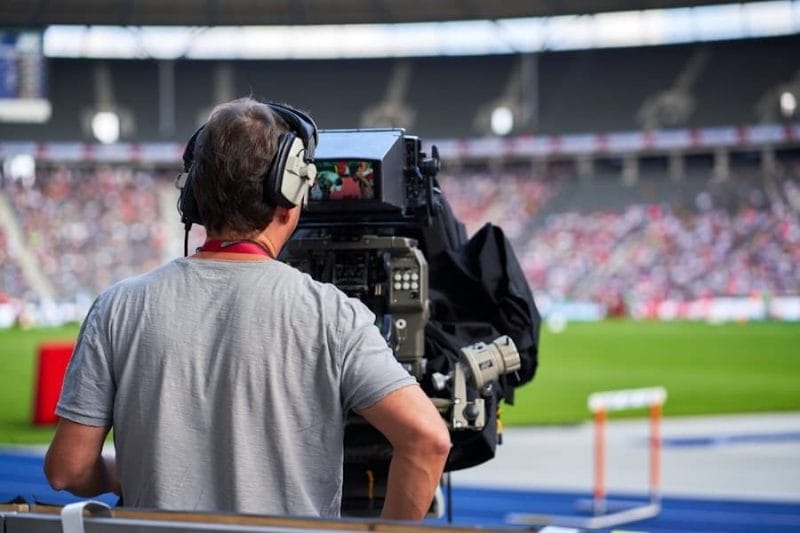
The impact of bias on sports coverage is profound and multifaceted. When reporting is skewed, it can lead to a misinformed public that holds distorted views about teams and players. This misrepresentation can affect fan loyalty, sponsorship deals, and even the careers of athletes. For instance, if a player is consistently portrayed in a negative light due to biased reporting, it may influence public perception and diminish their marketability, regardless of their actual performance on the field.
Additionally, biased coverage can perpetuate stereotypes and reinforce existing narratives within sports culture. For example, certain demographics may be unfairly characterized based on the actions of a few individuals, leading to broader generalizations that do not reflect reality. This not only affects the individuals involved but also contributes to a toxic environment within sports fandoms, where divisive narratives can thrive.
Examples of Biased Reporting in Sports Media
Numerous instances of biased reporting have emerged throughout sports history, illustrating the challenges faced by journalists in maintaining objectivity. One notable example occurred during the coverage of the 2007 NBA Finals, where certain media outlets displayed clear favoritism towards the San Antonio Spurs over the Cleveland Cavaliers. The narrative often focused on the Spurs’ “team-first” mentality while downplaying the Cavaliers’ achievements, particularly those of their star player, LeBron James. This selective reporting not only shaped public perception but also influenced discussions around player legacies.
Another example can be found in the coverage of international soccer tournaments, where media bias often favors teams from specific regions. During the FIFA World Cup, for instance, European teams frequently receive more extensive coverage compared to their counterparts from other continents. This disparity can lead to an imbalance in how fans perceive the skill levels and competitiveness of different teams, ultimately affecting viewership and sponsorship opportunities.
The Importance of Fair and Balanced Reporting in Sports
Fair and balanced reporting is crucial for fostering an informed sports community. When journalists strive for objectivity, they contribute to a more nuanced understanding of the complexities within sports. This approach allows fans to appreciate the intricacies of games, strategies employed by teams, and the challenges faced by athletes without being swayed by biased narratives.
Moreover, fair reporting enhances the credibility of sports journalism as a whole. When audiences trust that they are receiving accurate information, they are more likely to engage with content and participate in discussions surrounding sports. This trust is essential for maintaining a healthy relationship between media outlets and their consumers, as it encourages transparency and accountability in reporting practices.
Strategies for Achieving Unbiased Sports Media Coverage
Achieving unbiased sports media coverage requires concerted efforts from journalists and media organizations alike. One effective strategy is implementing rigorous editorial standards that prioritize objectivity and fairness. This includes training journalists to recognize their biases and encouraging them to seek diverse perspectives when covering stories. By fostering an environment where multiple viewpoints are considered, media outlets can provide more comprehensive coverage.
Another strategy involves promoting transparency in reporting practices. Journalists should disclose any potential conflicts of interest that may influence their coverage. For instance, if a reporter has personal ties to a team or player, this information should be made known to the audience. Transparency not only builds trust but also empowers consumers to critically evaluate the information presented to them.
The Role of Journalistic Ethics in Sports Reporting
Journalistic ethics play a fundamental role in guiding sports reporting towards unbiased coverage. Adhering to ethical principles such as accuracy, fairness, and accountability helps journalists navigate the complexities of sports narratives while maintaining integrity. Ethical guidelines encourage reporters to fact-check their information rigorously and provide context for their stories, which is essential for fostering informed discussions among fans.
Furthermore, ethical journalism promotes respect for all individuals involved in sports, including athletes, coaches, and fans. By treating subjects with dignity and avoiding sensationalism or exploitation, journalists can contribute to a more respectful discourse within sports media. Upholding these ethical standards is vital for ensuring that sports journalism remains a credible source of information.
The Influence of Corporate Interests on Sports Media
Corporate interests significantly influence sports media coverage, often leading to biased reporting that favors sponsors or advertisers. Media outlets reliant on advertising revenue may prioritize stories that align with corporate interests over those that provide objective analysis. This dynamic can create conflicts of interest that compromise journalistic integrity and lead to skewed narratives.
For example, if a major sponsor has ties to a specific team or athlete, media coverage may disproportionately highlight that entity’s achievements while neglecting critical issues or controversies surrounding them. This selective reporting not only misleads audiences but also undermines the overall quality of sports journalism. Recognizing these influences is essential for both journalists and consumers who seek unbiased coverage.
The Role of Social Media in Shaping Sports Coverage
Social media has transformed the landscape of sports reporting by providing platforms for real-time updates and fan engagement. However, it has also contributed to the proliferation of biased narratives as individuals share opinions without rigorous fact-checking. The immediacy of social media can lead to sensationalized stories gaining traction before they are thoroughly vetted, resulting in distorted perceptions among fans.
Moreover, social media algorithms often prioritize content that generates engagement over accuracy. This means that sensational or controversial posts may receive more visibility than balanced reporting. As a result, fans may be exposed to biased narratives that shape their understanding of events without providing a comprehensive view. It is crucial for consumers to approach social media content critically and seek out reputable sources for accurate information.
The Responsibility of Sports Media Consumers in Identifying Bias
Consumers of sports media play an active role in identifying bias and demanding accountability from journalists and media organizations. By cultivating critical thinking skills and being aware of potential biases in reporting, fans can make informed decisions about the content they consume. This includes questioning narratives that seem overly favorable or unfavorable towards specific teams or players.
Additionally, consumers should support media outlets that prioritize fair and balanced reporting. By engaging with reputable sources and advocating for ethical journalism practices, fans can contribute to a healthier media landscape that values objectivity over sensationalism. Ultimately, an informed audience is essential for holding journalists accountable and promoting unbiased sports coverage.
The Future of Unbiased Sports Media Critique
The future of unbiased sports media critique hinges on the collective efforts of journalists, media organizations, and consumers alike. As the landscape continues to evolve with technological advancements and changing audience expectations, maintaining objectivity will remain a critical challenge. However, by prioritizing ethical journalism practices and fostering transparency in reporting, there is potential for significant improvement.
As consumers become more discerning about the content they engage with, there is hope for a shift towards greater accountability within sports media. By demanding fair coverage and supporting outlets committed to unbiased reporting, fans can help shape a future where sports journalism thrives on integrity rather than sensationalism. In this evolving landscape, unbiased critique will be essential for preserving the credibility of sports media and ensuring that audiences receive accurate representations of the world of sports.