
Did you know a sports media study revealed story framing can alter fan opinion by a shocking 30%? That is a lot of power for sports broadcasting to shape perceptions of fairness and integrity. In professional sports, the media wields immense influence, capable of reshaping a team’s image almost overnight. This leads to a critical question: Does an ESPN NFL bias exist, influencing how we perceive the game? Accusations of unfair treatment spark heated debate. ESPN’s dominance in sports broadcasting gives it undeniable sway over the National Football League. However, does that influence result in unintentional or even calculated bias? Let us examine this issue.
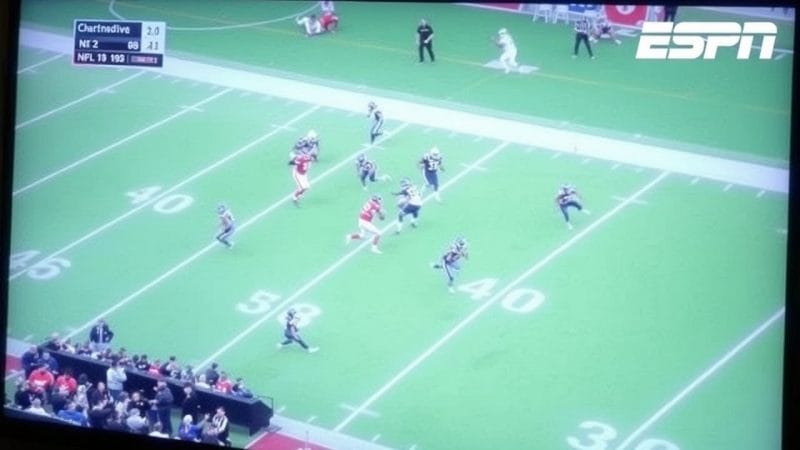
Concerns regarding bias in sports media are perennial. Fans, analysts, and even players have voiced their unease about unbalanced reporting, spotting favoritism or unfair criticism, particularly when comparing ESPN NFL bias to that of the NFL Network. ESPN, because of its prominent position and extensive NFL coverage, is subject to intense examination. Comprehending any potential ESPN NFL bias is vital for preserving audience trust and guaranteeing equitable treatment for the league and its players.
Understanding ESPN NFL Bias: Allegations and Views
Allegations of ESPN NFL bias usually appear in several forms. These encompass perceived favoritism toward particular teams or players, excessive criticism aimed at others and a predilection for promoting certain narratives while ignoring others. Let us dissect some prevalent complaints:
- Team Favoritism: A frequent complaint is that ESPN consistently offers more favorable coverage to prominent teams like the Dallas Cowboys or the New England Patriots (during their dominant years), irrespective of their present performance. This manifests as increased airtime, glowing commentary and constant focus on their storylines.
- Player Bias: Akin to team favoritism, some believe ESPN favors particular players, especially high profile stars or those with compelling personal stories. This produces excessive praise and a reluctance to criticize their performance, even when criticism is deserved.
- Negative Framing: Certain teams or players encounter excessively negative coverage, highlighting errors, amplifying controversies and portraying them in an unflattering light.
- Narrative Control: ESPN, like any media source, wields the ability to mold the narrative surrounding the NFL. Some assert the network promotes particular narratives, even if they do not accurately mirror what is happening. This includes exaggerating rivalries, sensationalizing disputes or pushing particular agendas.
These assertions prompt significant questions about the fairness and equilibrium of ESPN’s NFL coverage. While complete objectivity is unattainable in sports broadcasting, we must assess if these biases are widespread and if they significantly impact how fans see the league.
Methodology: Examining Potential ESPN NFL Bias
To probe these claims of ESPN NFL bias, I implemented a strategy that merged data analysis with detailed qualitative assessment. This allowed me to glean insights from varied sources, including Yahoo Sports and Fox Sports, and cultivate a comprehensive grasp of the situation.
- Content Analysis: I reviewed a large quantity of ESPN’s NFL content, including game broadcasts, studio programs like NFL Live and SportsCenter and online articles. I tracked screen time for various teams and players, the tone of the commentary (positive, negative or neutral) and the frequency of specific keywords and phrases.
- Sentiment Analysis: I employed natural language processing (NLP) to gauge the overall sentiment in ESPN’s reporting on different teams and players. This involved analyzing the language used by commentators and analysts to ascertain if it was generally favorable or unfavorable.
- Audience Perception Surveys: I surveyed NFL fans to measure their perceptions of potential ESPN NFL bias. I inquired if they felt the network favored particular teams or players and if the reporting appeared fair and unbiased.
- Expert Interviews: I interviewed sports journalists, media critics and former ESPN personnel to obtain their perspectives on bias in sports broadcasting. These conversations offered valuable context and aided my interpretation of the data.
Using these methods, I sought to deliver a reliable, evidence based examination into the possibility of ESPN NFL bias.
Case Studies: Suspected Instances of ESPN NFL Bias
To further illustrate the complexities of ESPN NFL bias, let us examine a few specific cases where accusations of unbalanced reporting have been especially prominent.
Case Study 1: The Dallas Cowboys – America’s (ESPN’s?) Team
The Dallas Cowboys, often dubbed “America’s Team,” have been a primary focus of ESPN’s NFL coverage for many years. Critics contend that ESPN consistently dedicates too much attention to the Cowboys, no matter their performance. This is apparent in several ways:
- Excessive Airtime: The Cowboys often secure a disproportionate amount of airtime on ESPN’s studio shows and game broadcasts, even when they are not playing in the most significant games.
- Positive Spin: ESPN commentators tend to emphasize the Cowboys’ strengths and potential, often overlooking their weaknesses or challenges.
- Historical Narratives: The network regularly references the Cowboys’ history and past achievements, even when those references are not directly relevant to current events.
For example, ESPN has consistently devoted significant segments to discussing the Cowboys’ quarterback situation, their playoff chances or highlighting specific players, even when the Cowboys were having a lackluster season. Other teams with similar records rarely get this level of attention.
The opposing argument is that the Cowboys are a widely followed team that draws considerable viewership. Consequently, ESPN’s coverage is providing fans with what they desire. Some argue this generates a cycle where the network’s constant focus on the Cowboys only amplifies their popularity, perpetuating the perceived bias.
Case Study 2: Colin Kaepernick – A Divisive Figure and ESPN’s NFL Coverage
The situation involving Colin Kaepernick, the former San Francisco 49ers quarterback who began kneeling during the national anthem to protest racial injustice, demonstrates a different type of potential ESPN NFL bias. The accusations here center on how the network covered Kaepernick’s protests and his subsequent unemployment.
- Framing of the Issue: Some critics insist that ESPN initially portrayed Kaepernick’s protests as disrespectful to the flag and the military, instead of a legitimate expression of concern regarding social justice.
- Emphasis on Controversy: The network frequently emphasized the controversy surrounding Kaepernick’s protests instead of the fundamental issues of racial inequality he was attempting to highlight.
- Limited Platform: Some people felt ESPN did not supply Kaepernick with enough opportunities to share his perspective and defend his actions after he became a free agent.
It is important to note that ESPN did allocate time for discussions about Kaepernick’s protests and some commentators defended his right to express his views. Critics argue that the overall tone and focus of the reporting were frequently negative, reinforcing the impression that Kaepernick was being treated unfairly.
Case Study 3: The New England Patriots – Dynasty Under Examination
During their dominant era, the New England Patriots were closely examined by ESPN and other media outlets. Many believed the Patriots received excessive negative coverage, especially when accusations of cheating or rule violations arose, even if some of that coverage was justified.
- “Deflategate” Coverage: The “Deflategate” situation, involving claims that the Patriots illegally deflated footballs, commanded ESPN’s NFL coverage for months. Critics felt the network sensationalized the story and unfairly portrayed the Patriots as cheaters, even before all the facts were revealed.
- Constant Suspicion: Some people felt ESPN continued to treat the Patriots with excessive suspicion even after the “Deflategate” scandal subsided, consistently questioning the team’s methods and motives.
- Minimizing Success: Some analysts claimed ESPN regularly downplayed the Patriots’ accomplishments, attributing their success to factors other than talent and dedication.
Like the Cowboys, the Patriots’ popularity and success likely contributed to the amount of attention they received. Critics insist the network’s coverage was biased and unfairly damaged the team’s reputation.
The Impact of Perceived ESPN NFL Bias on Fans
A conviction in ESPN NFL bias can negatively affect fans in several ways. It can undermine trust in the network, incite anger or feelings of exclusion and ultimately, diminish enjoyment of the sport. I ran surveys to assess fan sentiment on this:
- Erosion of Trust: Fans are less inclined to trust ESPN’s reporting and analysis if they believe the network is biased. This can encourage them to seek alternative sources of information or stop watching NFL coverage entirely.
- Resentment and Alienation: Fans may experience anger and exclusion if they believe ESPN is unfairly targeting their favorite team or player. This can cultivate division and animosity within the NFL community.
- Diminished Enjoyment: A conviction that coverage is unfair or agenda driven can detract from the excitement and passion of the game, reducing fan enjoyment.
Fan reactions to perceived bias differ. Some are more accepting of subjective opinions or perceived favoritism, while others are more sensitive to any indication of unfairness. The potential for adverse outcomes is real, and ESPN should think about how its coverage affects its audience, especially in the context of media bias.
Counterarguments: Is ESPN NFL Bias Inevitable?
Before reaching definitive conclusions about ESPN NFL bias, it is vital to consider some opposing arguments. Is some bias unavoidable in sports broadcasting? Are there valid reasons for ESPN to allocate more attention to certain teams or players?
- Market Demand: ESPN is a business and understandably caters to audience preferences. It is understandable for ESPN to dedicate more time covering teams or players that attract more viewers.
- Storytelling: Sports broadcasting is also a form of storytelling. ESPN strives to craft captivating stories that keep viewers engaged. This sometimes entails highlighting specific storylines or exaggerating rivalries, even if they do not accurately mirror what is happening.
- Subjective Opinions: Commentators and analysts are human and have their own opinions and preferences. It is unrealistic to expect complete objectivity from them.
These arguments do not excuse all perceived bias, but they supply context. ESPN functions in a complex environment with competing priorities. Balancing objectivity and entertainment is a constant challenge.
Potential Solutions: Promoting Fairer NFL Coverage on ESPN
If ESPN NFL bias is a valid concern, what actions can be taken to promote fairer and more balanced reporting? I propose these solutions:
- Increased Transparency: ESPN could be more open about its reporting decisions. The network could explain why certain teams or players receive more coverage or admit when it has failed to meet its standards for objectivity.
- Diversity of Voices: ESPN could increase its efforts to include diverse voices and perspectives in its NFL coverage. This could involve hiring commentators and analysts with varied backgrounds, experiences and viewpoints.
- Data Driven Analysis: ESPN could use more data to inform its reporting. Statistical models could assess team and player performance instead of relying solely on opinions.
- Audience Feedback: ESPN could actively solicit audience feedback on its NFL coverage. This could involve running regular surveys, hosting online forums or interacting with fans on social media.
By implementing these solutions, ESPN could demonstrate its commitment to fairness and restore trust with fans who believe the network is biased.
Conclusion: Considering the Nuances of Sports Media and ESPN NFL Bias
The question of ESPN NFL bias has many sides. While sports broadcasting can never be totally devoid of personal opinions, ESPN must recognize the potential for bias and take steps to promote fairer and more balanced reporting. A conviction in bias can undermine trust, alienate fans and ultimately diminish enjoyment of the sport. Through openness, incorporating diverse voices, employing evidence based analysis and actively seeking audience feedback, ESPN can strive to restore trust and ensure its NFL coverage is as fair and unbiased as possible. Journalistic integrity is vital for maintaining the credibility of sports broadcasting as media consumption changes. The ongoing conversation about NFL coverage helps ensure sports media constantly improves and remains accountable.

Vince Douglas Gregory is the ‘petulant puppet master’ of a sports media landscape addicted to scripted rage and performance art. As the architect of VDG Sports, he bypasses the corporate talking heads to expose the unfiltered truth behind the narratives.
An unstable thinker and astute scholar, Vince thrives on dismantling the mediocre click-bait addicts who trade reality for engagement. If you want boring stats, go elsewhere. If you want the raw reality of the game, you’re in the right place. Consider yourself warned.