
I have watched as the convergence of social media criticism and sports media has dramatically reshaped how we digest and dissect athletic events. The near-constant presence of platforms such as Twitter, Facebook and Instagram has undeniably transformed sports media, shifting it from old school broadcasting to a buzzing digital arena.
I read a 2023 Pew Research Center study which showed that a considerable chunk of adults now source their news from social media, especially younger people. This change has amplified social media criticism Aimed at sports journalists and organizations, these insights can enhance the quality of sports commentary. One single tweet can now spark a huge uproar, affecting reputations to an extent previously unheard of.
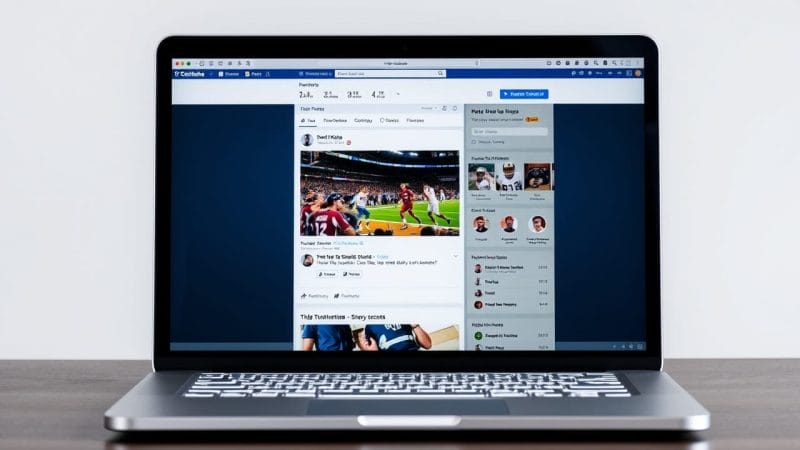
The Impact of Social Media on Sports Media Criticism
One major cause of social media criticism in sports media is how easily anyone can create and distribute content. Platforms such as Twitter, Facebook, Instagram and YouTube permit fans, athletes and even competing media personalities to publicly share their opinions directly. This circumvents traditional media gatekeepers, challenging the power of established sports journalists. I used to see reporters carefully consider questions at press conferences, knowing editors would scrutinize every single word. Now anyone with a phone can be a commentator, often free from standard journalistic practices.
This increased openness leads to several results:
- Instant Feedback: Social media delivers immediate responses to sports coverage. This real time feedback provides journalists insight into public opinion but also exposes them to raw criticism.
- Diverse Perspectives: Social media hosts a wide array of viewpoints, frequently ignored by mainstream outlets, encouraging more detailed discussions. However, this can also create echo chambers where extreme views dominate.
- Accountability (and its Absence): The risk of public shaming on social media can encourage accuracy and ethical behavior in sports media. Conversely, anonymity can encourage abusive conduct with little fear of repercussions.
How Social Media Has Changed Sports Journalism
Social media’s expansion has completely changed sports journalism. News moves faster, competition is higher and there is constant demand for clicks and views. Some significant changes include:
- Sensationalism and Clickbait: The need to gain attention online has caused some outlets to prioritize sensationalism above thorough reporting. Headlines are now written to provoke anger, regardless of the content.
- Personalization and Bias: Social media algorithms select content based on user preferences, creating filter bubbles that reinforce existing biases. This can fragment media, preventing constructive discussion.
- Erosion of Trust: False information on social media has reduced public trust in traditional media, including sports journalism. People are more suspicious of online information, which makes it harder for journalists to build credibility.
I have seen the carefully researched article, once the peak of sports journalism, now struggles against tweets, memes and viral videos. Keeping journalistic integrity is a constant battle, especially when navigating the pressures of social media platforms.
Athlete-Driven Media and Social Media Criticism
The growth of athlete driven media is another important development. Players now use social media to bypass traditional outlets and speak directly with fans, controlling their stories and building their personal brands. This introduces both opportunities and problems for sports journalists, who might find it harder to reach players and teams.
Examples of Social Media’s Impact on Sports Media Criticism
I can share some specific examples that clearly show how social media affects narratives in sports media:
- The Jemele Hill Controversy: In 2017, ESPN host Jemele Hill’s tweet calling then President Donald Trump a “white supremacist” triggered outrage and debate about politics and sports media. This highlighted the dangers for journalists who express personal opinions on social media.
- The Barstool Sports Saga: Barstool Sports has built a large social media following with its disrespectful and often offensive content. Despite accusations of prejudice, its popularity illustrates a desire for unfiltered content.
- Fan-Driven Boycotts: Social media enables fans to organize boycotts against teams, leagues and media outlets in reaction to perceived wrongs, affecting revenue and forcing organizations to address issues.
Navigating Social Media Criticism in Sports Media
Sports media professionals must handle social media criticism very carefully. They should listen to feedback, address concerns and acknowledge mistakes, while upholding journalistic standards and avoiding pointless online arguments. Listening, learning and adapting without abandoning core values is vital, especially on platforms such as sports media Twitter and sports journalism Facebook.
Strategies for Responding to Social Media Criticism
Effective strategies for addressing social media criticism include:
- Acknowledge the Criticism: Ignoring criticism can make things worse. Acknowledge it to demonstrate you are paying attention.
- Respond Calmly and Respectfully: Avoid getting defensive or making personal attacks. Remain calm, even when facing strong criticism.
- Provide Context and Clarification: If the criticism stems from a misunderstanding, provide background and proof.
- Apologize When Necessary: Give a sincere apology if you made an error.
- Know When to Disengage: Not all criticism helps; some can have a negative impact on the mental health of athletes. Stop participating if the discussion turns abusive.
The Future of Social Media Criticism and Sports Media
I predict the relationship between social media and sports media will strengthen. The ways people consume and interact with sports content will change as new technologies emerge. Sports media professionals must be ready for these changes and adjust, particularly in online sports media.
Emerging Trends to Watch
- The Metaverse and Virtual Reality: These provide new ways to experience sports but also introduce content moderation challenges.
- Artificial Intelligence and Automation: AI is being used to create content, personalize experiences and identify false information, raising worries about job losses and bias.
- Decentralized Social Media: These social media platforms provide users more control over their data but complicate efforts to combat hate speech, which can have a negative impact on mental health.
The Importance of Education and Training
To prepare future sports media professionals for social media criticism, journalism classes must include media literacy and ethics training. Students must learn to critically assess online information, identify false information and conduct themselves responsibly online. They also require excellent communication and conflict resolution abilities to address issues arising from social media platforms. A strong grounding in journalistic standards and social media dynamics is necessary.
I have seen how the sports journalism environment now has citizen journalists, bloggers and athletes. Traditional media outlets must adjust by using new technologies, encouraging teamwork and prioritizing excellent content. This means investing in thorough reporting, fact checking and ethical journalism and building trust through transparency and responsiveness. Organizations that have successfully moved to the digital age by embracing progress and prioritizing audience involvement are more likely to prosper. I have personally seen the impact of social media criticism sports media.
Conclusion
Social media has altered sports media, increasing its reach while magnifying scrutiny. While it provides engagement and varied views, it also introduces problems tied to sensationalism, bias and trust. Sports media professionals must be adaptable, ethical and skilled communicators to thrive. By using new technologies, prioritizing quality content and promoting open discussion, they can foster stronger relationships and maintain credibility. The future of sports media depends on its ability to adapt to these shifts and use social media constructively, reducing likely harms. The aim should be accurate, complete and engaging coverage that improves the fan experience and encourages a positive sports culture. As educators and practitioners, we must ensure future sports journalists have the talents to shine in this active environment, protecting the importance of sports coverage.

Vince Douglas Gregory is the ‘petulant puppet master’ of a sports media landscape addicted to scripted rage and performance art. As the architect of VDG Sports, he bypasses the corporate talking heads to expose the unfiltered truth behind the narratives.
An unstable thinker and astute scholar, Vince thrives on dismantling the mediocre click-bait addicts who trade reality for engagement. If you want boring stats, go elsewhere. If you want the raw reality of the game, you’re in the right place. Consider yourself warned.