
Kareem vs. LeBron: The Dance Debate
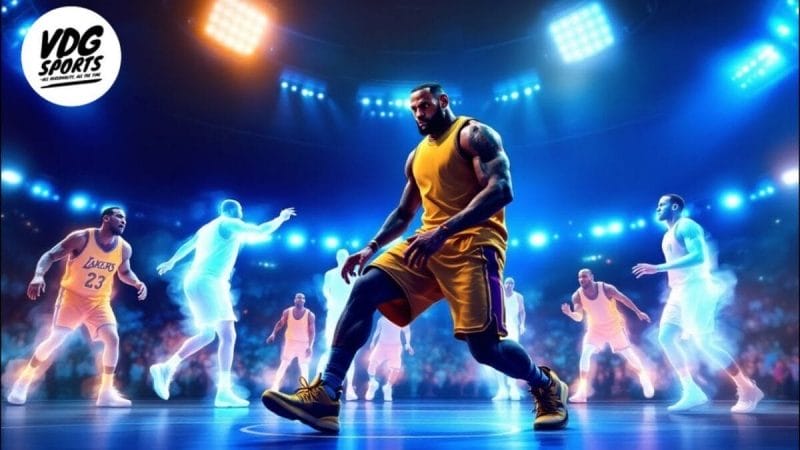 There’s a simple argument at the heart of this debate: should elite athletes celebrate loudly on the court, or should they let the results speak for themselves? When Kareem Abdul-Jabbar said, “for me, winning is enough” and added that “goats don’t dance,” he summed up a quiet, old-school approach. When LeBron James breaks into a dance after a big shot, he’s sending a different message — loud, personal, and unmistakable.
Table of Contents
- Kareem’s View vs. LeBron’s Style
- Why Celebrations Matter: The Psychology of Dominance
- Different Eras, Different Rules
- Greatness Has Many Languages
- Why I Defend the Dance
- What This Debate Reveals About Sports Culture
- Who’s Right?
Kareem’s View vs. LeBron’s Style
“For me, winning is enough. Why do you need to do a stupid, childish dance and disrespect the other team on the court? Goats don’t dance.”
Kareem’s take is rooted in restraint and a respect for legacy. That mindset comes from an era where humility and stoicism were considered part of being a champion. LeBron’s on-court personality, by contrast, is expressive and immediate. His dance isn’t just celebration; it’s a declaration — a reminder that someone at the top still intimidates.
Why Celebrations Matter: The Psychology of Dominance
Celebrations do more than entertain. They communicate. At the highest level, part of being great is maintaining a psychological edge. A well-timed gesture can:
- Reinforce fear: Let opponents know you’re not to be trifled with.
- Assert identity: Show the world who you are and how you handle big moments.
- Control momentum: Energize teammates and demoralize opponents.
Not every athlete needs the same method. Some dominate quietly; others dominate with flair. Both can be effective.
Different Eras, Different Rules
Context matters. Basketball changed from Kareem’s generation to LeBron’s. Media, social platforms, and global audiences reward personality in ways that didn’t exist decades ago. That doesn’t make one approach right and the other wrong — it just means the playing field for self-expression looks different.
Older generations tend to measure greatness by composure. Younger generations place more value on authenticity and spectacle. The two perspectives collide when gestures are interpreted as disrespect rather than confidence.
Greatness Has Many Languages
Look at the ways legends have signaled dominance:
- Michael Jordan’s shrug: A quiet, confident gesture that said, “I told you.”
- Jordan’s last shot against the Jazz: Not a dance, but a move that clowned the defender and crushed an opponent’s will.
- LeBron’s dance: A moment of personality and intimidation rolled into one.
Each champion has a signature way of announcing themselves. Some do it with silence, some with a smirk, and some with a little choreography. The intention is usually the same: to remind opponents who’s in control.
Why I Defend the Dance
When I aim to be the best at something, I use whatever tools are natural to me. Sometimes that means stepping up my energy, sending a clear warning, and making the moment unmistakable. If a dance is part of LeBron’s toolbox, that’s his way of saying, “Don’t bring that weak stuff here.”
That doesn’t make Kareem wrong. It just highlights how greatness expresses itself differently. One era prizes quiet dominance. Another rewards visible swagger. Both are valid responses to competition.
What This Debate Reveals About Sports Culture
This conversation goes beyond two players. It taps into how sports fans interpret behavior, how generations pass down norms, and how athletes balance respect with self-expression. A few takeaways:
- Expression evolves: The rules for what’s acceptable change with culture and media.
- Intent matters: Is the act meant to belittle, or to assert dominance? The line is often thin.
- Greatness is flexible: Champions don’t all look the same. Their methods for intimidating or inspiring vary.
Who’s Right?
There’s no single correct answer. If winning is what matters, both styles can coexist. If legacy and decorum are paramount, the quieter approach will hold sway. If personality and spectacle drive engagement, flamboyant celebrations will keep rising.
Ultimately, sports are a stage for competitive expression. Whether you prefer the stoic champion or the animated superstar, both are part of what makes the game compelling. The only real question is what kind of energy you want when the moment gets hot.
Share your take
Do you side with silent dignity or expressive dominance? Pick your lane — the debate is as much about taste as it is about tradition.

Vince Douglas Gregory is the ‘petulant puppet master’ of a sports media landscape addicted to scripted rage and performance art. As the architect of VDG Sports, he bypasses the corporate talking heads to expose the unfiltered truth behind the narratives.
An unstable thinker and astute scholar, Vince thrives on dismantling the mediocre click-bait addicts who trade reality for engagement. If you want boring stats, go elsewhere. If you want the raw reality of the game, you’re in the right place. Consider yourself warned.