
The Power of Sports Tribalism Psychology and Fan Identity
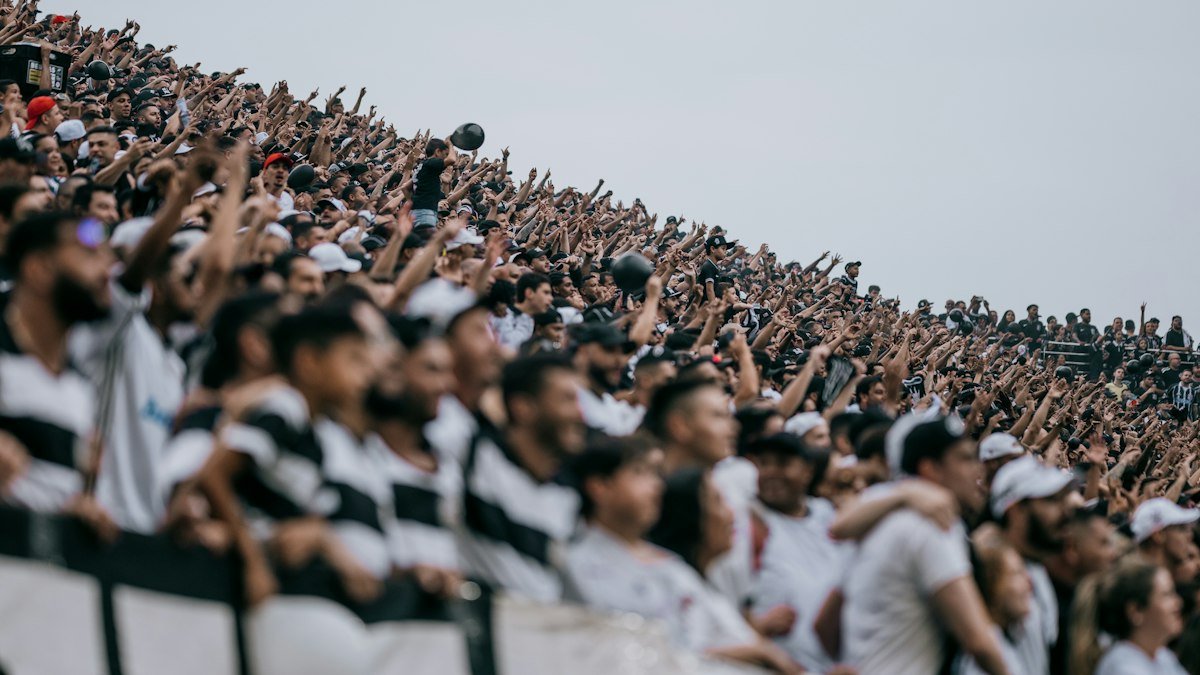
The thunderous sound rising from a packed arena isn’t just noise; it’s a behavior that reinforces group identity. It’s a shared heartbeat. Thousands of people shed their names and their daily worries to become a single, breathing entity. This marrow-deep connection forms the bedrock of group identity among fans. This is sports tribalism psychology. It explains why a stadium of complete strangers feels like family when the ball finds the net. It explains why a different shirt color makes a person look like a villain. Fans aren’t just sitting there. They are part of the play. Their biology merges with the squad.
This link is tied to how we build our sense of self through the packs we join. By looking at the wiring of our brains and the social walls we build, we can see why this loyalty feels so heavy and real.
The Biological Basis of Sports Tribalism Psychology
Stand in the bleachers when the starting whistle blows. Your brain starts to mimic the athletes. This may happen because of mirror neurons. These microscopic cells are thought to let you feel the burn in a runner’s lungs as if you were sprinting yourself. Researchers at the University of Parma first recorded them in macaque monkeys in the early 1990s: some cells fired both when a monkey acted and when it watched someone else act. Human evidence is thinner, and how much these cells explain fan empathy is still debated. During a match, your nervous system may be living the struggle.
A missed goal hurts like a physical wound. A victory sends a wave of chemical joy through your system. To your brain, the distinction between the player’s triumph and your own life is thin. It feels personal because your grey matter treats it that way.
Your body joins in. Research from Georgia State University found that testosterone rose about twenty percent in male fans of the winning side and fell by about the same amount in fans of the losing side, at a 1991 college basketball game and the 1994 World Cup final. The samples were small, 8 and 26 men, so treat it as a striking hint rather than a law. Cortisol, the stress hormone, runs higher while we watch, most of all for the most fused fans and when the team is losing. Your body enters a state of high alert. This isn’t a choice. It is a primal drive aimed at a scoreboard. The more you care, the more your body fuses with the team, creating a profound psychological connection.
Fans watching the 2010 World Cup final had higher cortisol and testosterone than on a normal day
Social Identity Theory and the Minimal Group Paradigm
At the center of this devotion is a concept explored by Henri Tajfel in the seventies. He saw that humans crave groups to feel better about their own existence. His work on how we build these circles showed that even random groups start to favor their own and identify with those inside the fence. In his early-1970s experiments, strangers were sorted by a coin toss or a painting preference and still gave more to their own group. In sports, these bonds are rarely random. They grow from where we were born, who our parents loved, and the values we hold.
When a team wins, our social stock goes up. We say we to grab a slice of that glory. Some people say they when the team fails to protect their pride. But for the die-hards, there is no shield. A loss is a blow to the gut. The team isn’t a game. It is a limb. That is why the sting of a lost final can linger for decades.
The Evolution of the Modern Tribe
Psychologists describe the need to belong as a basic human motivation (Baumeister and Leary, 1995), and sport hands us a ready-made group. Modern sports give that need a place to run. The stadium is the new battlefield. Team colors are our war paint. This bond gives us a place to stand in a world that often feels cold and lonely. The songs and rituals are the glue. They signal that you belong.
This shift changes how we see the world. We tend to think our people are sharper and better than the fans on the other side. In one survey of 148 fans leaving a game, supporters, especially of the winning team, rated the opposing fans as behaving worse than their own. It is a simple world of us versus them. While it can cause friction, it also offers a home. You can wear your jersey in a city on the other side of the planet and find a friend in seconds. Fans who identify strongly with a team tend to report less loneliness. The team stays steady even when life is a wreck.
The Mechanics of Identity Fusion
For many, the border between the self and the group disappears. The team’s wins and the fan’s life become the same story. This happens most often where teams have deep roots in the soil, creating a strong context for support. These fans will sacrifice everything for their group identity. They spend their last cent on a ticket. Their loyalty isn’t a pastime. It is their life.
This bond is built through shared experiences that shape you, the painful ones as much as the joyful ones. Research on British football fans found that painful club moments that shaped a fan predicted fusion with the club as strongly as big wins did, reinforcing their group identity. Suffering together builds a wall that is hard to tear down. When that team finally wins, the release is like a flood. People sob in the stands because the win proves the hard years had a point. They are weeping for the long road they walked.
The Role of Ritual and Superstition
Lucky shirts and specific seats are the tools we use to tame the chaos and reward our commitment to the team. These acts can quiet the nerves when we cannot control the outcome: experiments show that performing a ritual lowers anxiety, and fan routines plausibly work the same way. They show the tribe who we are. Joining a chant is a way of saying I am here with you. It keeps the fire burning, fueled by the brain’s reward circuitry, which lit up in Red Sox and Yankees fans when their side did well or the rival did badly.
These habits trigger joy. Just the act of getting ready for the match feels good. Even when the team is away, these acts keep the link strong. Mocking the other side’s rituals makes the line even sharper. It keeps our place in the world clear.
Conclusion and Takeaways
Loyalty to a team is more than a habit. It is a core part of our need to belong. We feel the win because our bodies are built for it. To understand how this works in your life, consider these points.
- Your gut reaction to a game is a physical event born from your nerves and hormones.
- Notice how being part of the pack boosts your mood and changes how you talk.
- Watch how you view other fans through a biased lens.
- Use the tribe to find real connection and push back against loneliness, as shared support in football can lead to rewarding experiences.
- Think about how much of your own story is tied to the team.
The best-known fan-biology studies involved a few dozen people
Sports are a mirror to our old souls. They show us that the need to belong is the most powerful play of all.

Vince Douglas Gregory is the ‘petulant puppet master’ of a sports media landscape addicted to scripted rage and performance art. As the architect of VDG Sports, he bypasses the corporate talking heads to expose the unfiltered truth behind the narratives.
An unstable thinker and astute scholar, Vince thrives on dismantling the mediocre click-bait addicts who trade reality for engagement. If you want boring stats, go elsewhere. If you want the raw reality of the game, you’re in the right place. Consider yourself warned.