
Sports PR Influence: Shaping the Game Beyond the Field
Consider that PR Newswire forecasts the global sports market will hit a massive $623.63 billion by 2027, highlighting the importance of PR in sports. This gigantic number highlights the financial pressures involved. In professional sports, where every contest, athlete and referee decision is heavily scrutinized, sports PR influence is a potent force that frequently gets overlooked. I have seen firsthand how carefully designed narratives can improve or harm a team’s reputation, influence critical sponsorship agreements and shape public perception of sensitive subjects. These days, strategic sports communication is not merely an option; it is vital for any organization seeking success in this highly competitive environment.
Understanding the Fundamentals of Sports PR Influence
Sports PR influence extends well beyond issuing press releases or managing social media accounts. It includes a wide array of actions, all centering on building and maintaining a favorable image for athletes, teams, leagues and governing bodies. These actions include:
- Media Relations: Developing relationships with journalists, reporters and broadcasters to guarantee precise and beneficial media coverage.
- Crisis Communication: Creating and implementing strategies to handle and lessen negative publicity during a crisis.
- Reputation Management: Actively shaping public perception and fixing misinterpretations or unfavorable stories.
- Community Relations: Working with local communities to encourage goodwill and develop positive connections.
- Internal Communications: Keeping employees and other stakeholders informed and engaged.
The cornerstone of effective sports PR is trust, transparency and genuineness. Organizations must communicate openly and honestly with their stakeholders, even when facing difficult situations, to maintain a positive public image.
The Power of Narrative: How Sports PR Influence Shapes Perceptions
One of the biggest ways sports PR influence affects sports is by shaping the stories that circulate in the media. A skillfully created story can transform a struggling sports team into an inspiring underdog, turn a promising athlete into a national icon, or restore the image of a controversial figure in sports. These stories do not appear randomly. They are carefully built through storytelling methods, strategic messaging, and focused media outreach in the realm of sports public relations. Take the U.S. Women’s National Soccer Team for example. Their victories on the field, along with their vocal advocacy for equal pay, have created a strong narrative of empowerment and social justice that goes far beyond sports.
Conversely, a poorly handled story can be destructive. A single mistake or badly worded comment can quickly become a major crisis, hurting reputations and destroying public trust. Therefore, sports organizations must take a proactive and strategic approach to handling media stories as part of their overall PR in sports.
Strategies for Maximizing Sports PR Influence
So, what precise actions can sports organizations take to effectively shape media stories and public perception?
1. Cultivating Strong Relationships with Journalists
A strong network of relationships with journalists and media sources is the foundation of any effective PR strategy. This means more than simply sending press releases. It involves building trust and credibility with reporters by giving them timely, precise and valuable information. The best way is to be proactive, responsive and always willing to help journalists meet their deadlines and produce compelling stories. This may include granting exclusive athlete interviews, sharing behind the scenes information or being available to answer questions and give context.
2. Crafting Compelling Storylines That Resonate
Every sports organization has a story to tell, whether it is a team’s journey to a championship, an athlete’s personal triumph over difficulty or a league’s dedication to community service. The secret is to find these stories and present them in a way that connects with both the media and the public, enhancing their public relations efforts. I often tell my clients to think like storytellers, focusing on the human side and highlighting the emotions, problems and successes that make their stories unique. This may involve using descriptive language, sharing personal stories and creating visually interesting content.
3. Leveraging Social Media to Control Your Narrative
Social media has become an essential tool for sports organizations looking to control their stories and improve their public image. Platforms like Twitter, Instagram and Facebook allow teams and athletes to connect directly with their fans, bypassing traditional media sources. This empowers them to shape their stories, respond to criticism and engage with their audience in an authentic manner. I have assisted many clients in developing social media strategies that not only increase brand awareness but also assist them in handling their reputations and proactively addressing negative stories.
4. Proactive Crisis Communication: Planning for the Inevitable
Despite everyone’s efforts, crises are unavoidable. Whether a player faces misconduct accusations, a team suffers a long losing streak or a league struggles with a controversial rule change, every sports organization needs a comprehensive crisis communication plan. This plan should outline the steps to handle the crisis, communicate with stakeholders and minimize potential harm to the organization’s reputation. A good crisis communication plan can greatly help in enduring difficult times and becoming stronger.
5. Embracing Transparency and Authenticity in All Communications
These days, genuineness is more vital than ever. Sports organizations that try to hide information or distort the truth risk facing backlash and negative publicity. The most effective PR strategies are based on honesty, openness and a real commitment to ethical behavior. I tell my clients to be upfront about their problems, admit their mistakes and show a willingness to learn and get better. This builds trust with the media, the public and all stakeholders.
The Ethics of Sports PR: Navigating Murky Waters
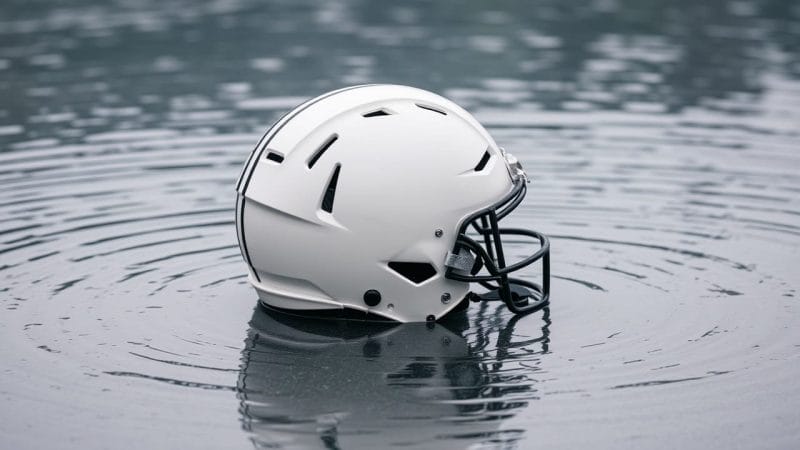
Sports communication professionals often face ethical problems. While the goal is to present their clients positively, some lines should never be crossed in the pursuit of effective public relations. Misleading the public, spreading false information or engaging in unethical behavior can severely harm both the individual and the organization they represent. Ethical PR means more than obeying the law; it involves maintaining a positive public image for clients. It involves maintaining integrity and following the values of the sports industry. This demands a commitment to honesty, fairness and respect for all stakeholders.
One common ethical problem involves balancing the need to protect a client’s reputation with the public’s right to know. For example, if an athlete is accused of a crime, a PR professional must decide how much information to reveal and how to frame the situation. This can be a tough decision, as withholding information can create suspicion and distrust, while revealing too much can prejudice the case. The key is to be transparent about what you can and cannot share and to avoid making statements that could be seen as misleading.

Vince Douglas Gregory is the ‘petulant puppet master’ of a sports media landscape addicted to scripted rage and performance art. As the architect of VDG Sports, he bypasses the corporate talking heads to expose the unfiltered truth behind the narratives.
An unstable thinker and astute scholar, Vince thrives on dismantling the mediocre click-bait addicts who trade reality for engagement. If you want boring stats, go elsewhere. If you want the raw reality of the game, you’re in the right place. Consider yourself warned.