
Controversial White Sox Hiring Leaves Fans Stunned
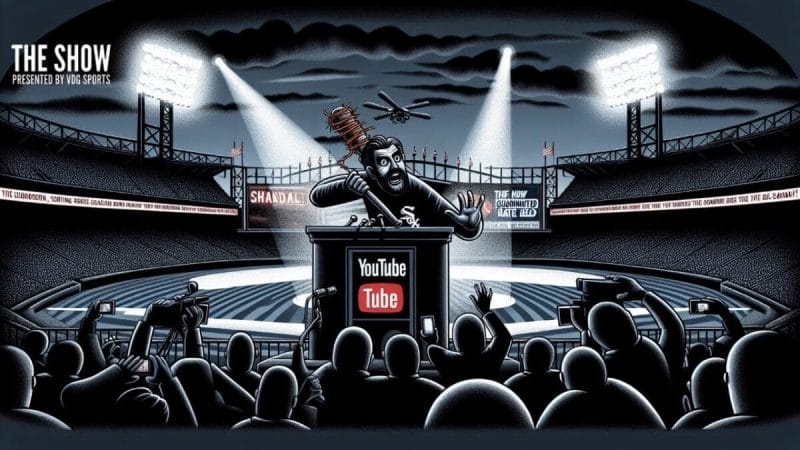
The Chicago White Sox made a move that left a lot of people blinking. It is one thing to hire a proven baseball mind. It is another to bring in someone whose recent resume includes scandal and national headlines. The reaction wasn’t just surprise — it felt like a mixture of frustration, confusion, and that familiar feeling: misery loves company.
Table of Contents
- The core of the controversy
- 2020 set the stage
- Manager vs system: do managers actually matter?
- Optics matter: why this looks like an inside job
- Hall of Fame talk and distraction risk
- What the White Sox should do next
- Quick takeaways
- Why are fans so upset about this hiring?
- Does hiring a manager with a controversial past mean the team will do worse on the field?
- Can a team recover its reputation after this kind of hire?
- What should MLB do to prevent similar controversies?
- Does analytics play a role in these conversations?
The core of the controversy
The pushback isn’t only about talent. It is about timing, optics, and trust. When a team brings in a manager linked to past misconduct, you are not just signing a coach. You are making a statement about your clubhouse values and how you handle accountability.
misery loves company
That phrase captures the vibe: fans who have suffered through losing seasons don’t want to be handed more doubt. They want progress, clarity, and a sense that the front office is operating differently — not repeating the same closed-door playbook.
2020 set the stage
We live in an era where context matters more than ever. The events of 2020 changed expectations around transparency, behavior, and how teams answer for mistakes. Hiring decisions made now are judged against that new baseline.
This isn’t a numbers-only argument. Sure, analytics help shape lineups and bullpen usage. But when a headline-grabbing hire looks like business as usual behind closed doors, analytics won’t calm the room. Perception and process matter as much as on-field strategy.
Manager vs system: do managers actually matter?
There’s a popular statistical talking point that a manager’s impact is limited compared with roster construction, player development, and front-office strategy. Numbers back that up: player talent and team resources explain far more variance in wins than managerial decisions alone.
Still, hiring a manager is not purely a math problem. A manager is a public face, a culture setter, and a leadership voice. Fans and players notice tone, accountability, and the examples set in the clubhouse. If those clash with the team’s stated values, trust erodes fast.
Where the tension comes from
- Performance metrics suggest managers are one piece of a larger puzzle.
- Public perception treats the manager as the embodiment of club values.
- Accountability matters more now; hires tied to past scandals reopen old wounds.
Optics matter: why this looks like an inside job
Fans voiced a feeling many described as “favor for favor” — the idea that decisions were handled in private, with old friendships and connections carrying more weight than a transparent search. In a sport where every move is dissected, any hint of shortcut or backroom dealing is toxic.
see something, say something
That line is not a slogan. It is a demand for clarity. If a team expects fans and players to buy the narrative of change, they need to show the receipts: who vetted the hire, what criteria were used, and how the organization will prevent repeating past mistakes.
Hall of Fame talk and distraction risk
People will bring up Hall of Fame debates because they are part of the larger conversation about redemption, legacy, and who deserves second chances. Those debates are messy and emotional. They can distract from the central business at hand: building a winning, healthy culture in Chicago.
What the White Sox should do next
If rebuilding trust is the goal, here are practical, immediate steps that would help:
- Explain the process — Outline how the hire was conducted and who participated.
- Set specific expectations — Publicly list cultural and behavioral standards tied to employment.
- Deliver transparency checkpoints — Commit to regular updates on clubhouse culture and leadership evaluations.
- Invest in accountability mechanisms — Independent oversight, clear internal reporting, and enforcement.
- Lean into analytics and player development — Use data to show the decision was part of a broader, forward-looking strategy.
Quick takeaways
- The controversy is less about talent and more about timing and trust.
- Managers matter beyond wins and losses; they shape perception, culture, and accountability.
- Transparent processes would defuse much of the suspicion surrounding the hire.
- Fans want evidence of forward thinking, not business as usual behind closed doors.
Why are fans so upset about this hiring?
The upset comes from the combination of the new hire’s controversial past and the perception that the decision was made privately rather than through a transparent process. Fans want accountability and clarity, especially after high-profile scandals.
Does hiring a manager with a controversial past mean the team will do worse on the field?
Not necessarily. Managerial impact on wins is limited compared with roster quality and development. However, culture and trust issues can affect clubhouse cohesion, which in turn can influence on-field performance.
Can a team recover its reputation after this kind of hire?
Yes, but it requires visible, sustained action: transparent decision-making, clear behavioral standards, independent accountability, and consistent communication with fans and the community.
What should MLB do to prevent similar controversies?
MLB can encourage best practices: clear hiring guidelines, independent oversight for hires tied to past misconduct, and leaguewide standards for player and staff accountability to ensure consistent responses across teams.
Does analytics play a role in these conversations?
Analytics informs on-field decisions and roster construction, but it does not replace the need for cultural leadership. Successful franchises pair data-driven strategy with transparent, ethical leadership.

Vince Douglas Gregory is the ‘petulant puppet master’ of a sports media landscape addicted to scripted rage and performance art. As the architect of VDG Sports, he bypasses the corporate talking heads to expose the unfiltered truth behind the narratives.
An unstable thinker and astute scholar, Vince thrives on dismantling the mediocre click-bait addicts who trade reality for engagement. If you want boring stats, go elsewhere. If you want the raw reality of the game, you’re in the right place. Consider yourself warned.