
People love a good origin story.
Tell someone the Green Bay Packers are tied to the city’s meat-packing roots, and suddenly the name feels bigger than football, even though it started as a sponsor’s condition for paying for the first uniforms. Mention that the San Francisco 49ers honor the Gold Rush, and now the team sounds like destiny wrapped in history. Bring up the New Orleans Saints and the city’s deep musical culture, and the brand starts to feel almost sacred.
That is exactly why NFL team names matter so much.
Not because they are cute labels. Not because they fit neatly on a helmet. And not because some marketing department simply wanted something that sounded tough. NFL team names work because they tap into local history, identity, labor, pride, memory, and belonging. They give people something bigger than a roster to hold onto.
And that is where the game gets interesting.
On the surface, these names look like tributes. Underneath, they also function as powerful branding tools. They connect a franchise to a city’s story so effectively that cheering for a team can feel like defending home, family, and tradition all at once. That is not accidental. That is calculated business wrapped in heritage.
The names are the hook. The history is the emotional glue.
Table of Contents
- Why NFL team names carry so much weight
- The real power of a team name
- How NFL team names borrow from local history and industry
- Culture matters too, not just industry
- The “fan connection” can be real, but it is also strategic
- When team names become personal legacies
- Why these names are so effective
- The business side nobody should ignore
- What these names really represent
- The takeaway
- FAQ
Why NFL team names carry so much weight
NFL team names do more than identify who is playing on Sunday. They act as symbols. They represent cities, industries, eras, values, and even myths people tell themselves about where they come from.
When fans chant names like Packers, 49ers, or Saints, they are not just saying words. They are invoking images.
-
Packers brings up working-class industry and blue-collar pride.
-
49ers points to ambition, movement, and the historic pursuit of fortune.
-
Saints evokes New Orleans culture, spirit, and a sense of place that goes far beyond football.
That is why these names stick. They are identity shortcuts. In one word, they package a city’s mythology and hand it back to the public in a way that is easy to chant, easy to wear, and easy to pass down.
This is also why team names create such strong emotional loyalty. A mascot or moniker can make the franchise feel rooted in the community, even when the business side of sports is anything but sentimental. The name helps create the feeling that the team belongs to the people. Whether that feeling is fully earned is another conversation, but it is definitely useful.
The real power of a team name
A strong NFL name does three things at once:
-
It connects to local history.
-
It creates a memorable identity.
-
It turns civic pride into long-term brand loyalty.
That third part is the part people often overlook.
It is easy to romanticize these names as organic symbols of community. And sure, many of them do reflect real regional stories. But they also help turn a football franchise into something that feels inherited. Not purchased. Inherited.
That matters because people protect what they inherit. They defend it. They teach it to their kids. They attach memories to it. They keep buying into it.
So yes, the stories behind NFL team names are fascinating. They are also useful business assets. Both things can be true at the same time.
How NFL team names borrow from local history and industry
One of the clearest patterns across the league is how often teams pull from the industries or defining historical moments of their region.
This is not random. It makes the brand feel native to the city. It gives the franchise instant roots.
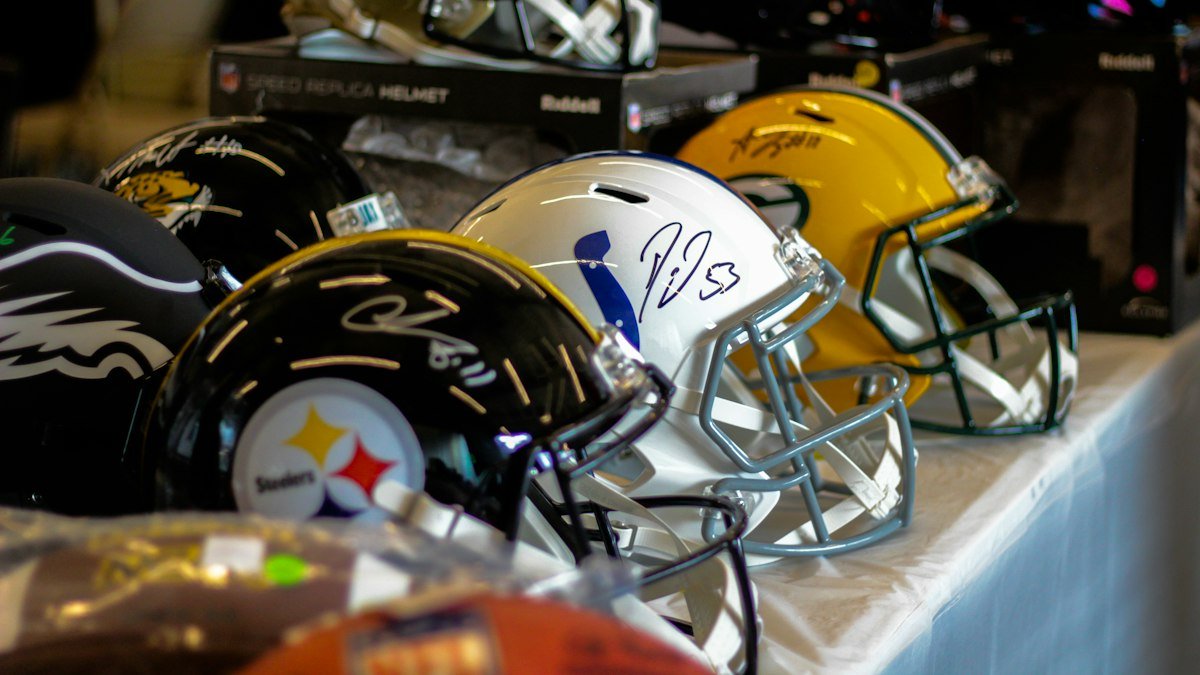
Green Bay Packers
The Packers are one of the cleanest examples of a team name tied directly to local industry, but the tie was commercial before it was civic. The name traces back to founder Curly Lambeau’s connection to the Indian Packing Company, the meat packer where he worked, which sponsored the 1919 team, supplied its jerseys and, by one account, about $500, and gave the team its nickname.
That name does not just sound distinctive. It signals work. Labor. Production. It tells a story about the city and the people associated with it. Even if modern fans are not thinking about the meat-packing business every time they say “Go Pack Go,” the identity still carries that historical imprint.
San Francisco 49ers
The 49ers name reaches back to the California Gold Rush of 1849. The club was founded in 1946 in the All-America Football Conference and named for the prospectors of that gold rush. It is one of the most famous examples in sports of a team branding itself through a major historical event.
The appeal is obvious. The name suggests boldness, opportunity, risk, and reinvention. It connects the team to one of the most iconic chapters in American history. That is bigger than football. That is legacy territory.
Pittsburgh Steelers
The Steelers are another sharp example of an NFL name tied to regional labor history. Pittsburgh’s steel industry shaped the city’s identity, and the team name reflects that directly. The club played as the Pirates from 1933 until 1940, when owner Art Rooney ran a Pittsburgh Post-Gazette naming contest and settled on Steelers.
Again, this is where branding gets smart. The name does not need a long explanation every time it appears. It carries the city’s industrial strength in a single word. Toughness becomes local history. Local history becomes football identity.
Culture matters too, not just industry
Not every meaningful team name comes from factories, mills, or economic roots. Some draw from music, civic character, or the broader cultural identity of a place.
New Orleans Saints
The Saints stand out because their name reflects New Orleans’ cultural and musical heritage. The connection to the classic jazz standard “When the Saints Go Marching In” gives the franchise a name that feels inseparable from the city’s spirit. The NFL awarded the franchise on November 1, 1966, All Saints’ Day, and Archbishop Philip Hannan approved the name.
This is what makes the best sports branding so effective. It does not just describe a team. It mirrors the emotional atmosphere of the place. In this case, the name carries rhythm, tradition, and a distinct local flavor that no generic mascot ever could.
That is why names like this resonate. They feel lived in. They sound like they belong.
The “fan connection” can be real, but it is also strategic
There is another layer to all of this. Sometimes franchises involve the public in naming decisions, or at least create that appearance. That can deepen the emotional bond between the team and the community.
It can also function as manufactured buy-in.
If people feel they had a hand in creating the identity, they are more likely to embrace it. That is not just community building. That is smart brand construction.
Seattle Seahawks
The Seahawks were chosen from more than 20,000 fan submissions in 1975. The name was selected on June 17, and “Seahawk” is an old name for the osprey, a bird of prey that conveys aggression.
153 People Suggested “Seahawks” in a 20,365-Entry Contest
That public naming process matters because it gave supporters a sense of ownership. The final result feels local, powerful, and participatory all at once.
And that is the point.
When a team invites the public into the process, the identity becomes easier to adopt as part of community culture. It feels less imposed and more shared, even though the franchise ultimately controls the product.
When team names become personal legacies
Some NFL names are not rooted in industry or broad civic culture. Some are tied to individuals. That creates a different kind of mythology, one based on personalities and institutional memory.
Cleveland Browns
The Cleveland Browns are famously linked to their first coach and general manager, Paul Brown. The name came out of a 1945 fan contest, though accounts of how it played out differ, and the club ended up carrying Brown’s own name.
The result is revealing.
The team’s identity became intertwined with a person. That shows how sports brands can absorb individual legacy into the franchise itself. A name can honor a founder, a coach, or a key figure and then evolve into something bigger than the original reference point.
Over time, the name stops being just about the person and starts being about continuity. Tradition. Memory. The institution survives, and the name becomes part of the mythology.
Chicago Bears
The Chicago Bears offer another memorable example of strategic naming. Originally known as the Decatur Staleys, the team moved to Chicago in 1921, played that year as the Chicago Staleys, and was renamed the Bears by George Halas in 1922. The idea was to reflect football’s tougher, more rugged image. Bears were seen as stronger and more intimidating than Cubs, a clear nod to Chicago’s baseball culture while distinguishing the football brand. The team shared the Cubs’ ballpark, and Halas’s reasoning was simple: if baseball players are cubs, football players must be bears.
That is a smart move, plain and simple.
The name taps into an existing sports framework in the city while making sure football still feels harsher, bigger, and more imposing. It is local connection mixed with image management. Heritage meets positioning.
Six of the Seven Names Are Older Than the Super Bowl
Why these names are so effective
If you strip everything down, successful NFL team names tend to work because they combine a few key elements:
-
Recognition through clear, memorable imagery
-
Relevance through ties to place, history, or culture
-
Emotion through pride, nostalgia, and shared identity
-
Durability through stories that can be repeated across generations
That last one is critical.
A team name is not just for one season. It is designed to last. It needs to survive coaching changes, roster changes, stadium changes, ownership changes, and media cycles. The strongest names endure because they are attached to something bigger than the current moment.
That is why heritage is so valuable. Heritage gives a brand staying power.
The business side nobody should ignore
Here is the reality check.
NFL team names are often presented as celebrations of local roots. Sometimes they genuinely do preserve pieces of regional history. But they also help franchises monetize identity in a way that feels natural instead of commercial.
That is the calculated genius of it.
If a team can tie itself to your city’s labor history, your cultural traditions, or your family memories, then supporting the brand stops feeling like a transaction. It starts feeling like loyalty to home.
That is powerful. And profitable.
Names tied to heritage can:
-
Make merchandise feel symbolic instead of just retail
-
Turn fandom into family tradition
-
Create emotional resistance to criticism or change
-
Keep people invested across generations
That does not mean the history is fake. It means the history is being used. There is a difference.
Sports branding works best when it feels personal, communal, and timeless. NFL team names are one of the cleanest examples of that strategy in action.
What these names really represent
At their best, NFL team names can act as bridges between past and present. They preserve fragments of local memory and give people a shared language for pride. They turn game day rituals into expressions of belonging.
At the same time, they are part of a business machine that understands exactly how valuable belonging can be.
So when people celebrate the Packers, the 49ers, the Steelers, the Saints, the Bears, the Browns, or the Seahawks, they are engaging with more than a sports nickname. They are participating in a story. A regional story. A cultural story. A marketing story. Usually all three at once.
That is why the names matter.
They are not just identifiers. They are emotional infrastructure.
Every chant, every jersey, every inherited piece of fandom runs through that identity first. Before the touchdown. Before the highlights. Before the standings. The name establishes the bond.
The takeaway
NFL team names are powerful because they package history, culture, and identity into something repeatable. They let a franchise feel like a community institution, even while operating as a modern sports business.
That is the trick and the truth.
The Green Bay Packers do not just sound like a football team. They sound like labor history. The San Francisco 49ers do not just sound competitive. They sound like ambition and myth. The New Orleans Saints do not just sound memorable. They sound like the city’s soul has been stitched into the brand.
And once a name pulls all that off, the franchise is no longer just selling football.
It is selling identity.
That is why these monikers last. That is why they resonate. And that is why they remain one of the smartest pieces of branding in all of sports.
FAQ
Why do NFL team names matter so much?
NFL team names matter because they connect franchises to local history, culture, and identity. A good name becomes more than branding. It becomes a symbol of civic pride and shared memory.
Which NFL teams are named after local industries?
The Green Bay Packers and Pittsburgh Steelers are two clear examples. The Packers were named for their meat-packing sponsor, while the Steelers were named, through a 1940 fan contest, for Pittsburgh’s steel industry.
What is the meaning behind the San Francisco 49ers name?
The 49ers name refers to the California Gold Rush of 1849. It honors the prospectors and pioneers associated with that historic period.
Why are the New Orleans Saints called the Saints?
The name reflects New Orleans’ musical and cultural heritage, especially its association with the song “When the Saints Go Marching In.” It gives the team a strong local identity beyond football.
Were fans involved in naming any NFL teams?
Yes. The Seattle Seahawks name was selected from more than 20,000 fan submissions in 1975. Public naming efforts like that can strengthen the emotional connection between a franchise and its community.
Are NFL team names about heritage or business?
They are both. Many names genuinely reflect local heritage, but they also serve as valuable branding tools. By tying a team to history and community identity, franchises build long-term loyalty that supports the business side of sports.

Vince Douglas Gregory is the ‘petulant puppet master’ of a sports media landscape addicted to scripted rage and performance art. As the architect of VDG Sports, he bypasses the corporate talking heads to expose the unfiltered truth behind the narratives.
An unstable thinker and astute scholar, Vince thrives on dismantling the mediocre click-bait addicts who trade reality for engagement. If you want boring stats, go elsewhere. If you want the raw reality of the game, you’re in the right place. Consider yourself warned.