
The NHL Debate: Should Fighting be Banned or Embraced?
Introduction
Fighting in the National Hockey League (NHL) has long been a controversial topic. While some argue that it adds excitement and entertainment to the game, others believe it poses serious safety concerns for the players involved. This article will explore the historical significance of fighting in the NHL, the arguments for and against its presence in the game, and the potential long-term consequences for player health. Additionally, we will examine the role of fighting in policing the game and its cultural significance in hockey.
The Historical Significance of Fighting in the NHL
Fighting has been a part of hockey since its early days. In fact, it was not uncommon for players to engage in fisticuffs during games in the early 1900s. However, as the game evolved and became more organized, fighting began to be penalized. The NHL’s 1922 rulebook (Rule 56) priced fighting as a five-minute major instead of the ejection used in amateur hockey, and the game tolerated it for decades. In the 1970s the Philadelphia Flyers, the “Broad Street Bullies” of 1973-74 and 1974-75, turned the enforcer into a model other teams copied (Fighting in ice hockey, Wikipedia).
Throughout NHL history, there have been numerous famous fights that have left a lasting impact on the game. One of the most iconic fights occurred between Bob Probert of the Detroit Red Wings and Tie Domi of the New York Rangers on 9 February 1992, when six fighting majors were handed out at 9:37 of the first period of a 5-5 game (Hockey-Reference box score). This fight is often referred to as one of the greatest in NHL history and is still talked about today. Fights like these have become part of hockey lore and have contributed to the perception that fighting is an integral part of the game.
The Safety Concerns: Arguments for Banning Fighting in Hockey
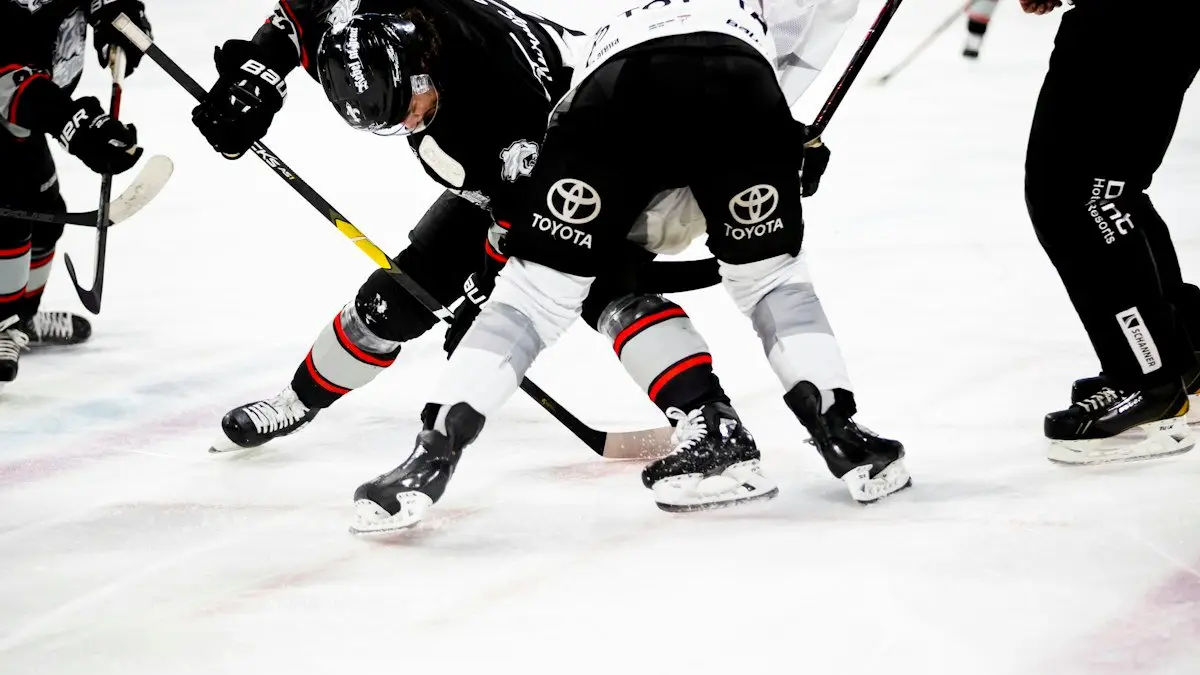
One of the main arguments against fighting in hockey is the potential for serious injuries. Hockey is a fast-paced and physical sport, and fights can often result in players being punched or falling to the ice, leading to head injuries or concussions. These injuries can have long-term consequences for players’ health and well-being.
Advocates for banning fighting argue that it is unnecessary and dangerous. They believe that the NHL should prioritize player safety and take measures to eliminate fighting from the game. They point to other professional sports leagues, such as the National Football League (NFL) and National Basketball Association (NBA), which have taken steps to reduce violence and protect their players.
The Entertainment Value: Arguments for Embracing Fighting in Hockey
On the other side of the debate, there are those who argue that fighting adds excitement and entertainment value to the game. They believe that fighting is a natural part of the sport and that it has become ingrained in hockey culture. These proponents argue that removing fighting from the game would take away an element that fans enjoy and could potentially lead to a decline in viewership.
Fighting has often been seen as a way for players to police the game themselves. When a player takes a cheap shot or engages in dirty play, it is often up to their opponents to hold them accountable. Supporters say fighting deters these types of actions and helps maintain a level of respect and fairness on the ice.
NHL Fights per Game Have Fallen by About 79%
The Role of Fighting in Policing the Game: A Necessary Evil?
One argument in favor of fighting is that it serves as a deterrent for dirty plays and cheap shots. In hockey, there is an unwritten code among players that dictates when fighting is acceptable. When a player crosses the line, they may be challenged to a fight as a way of enforcing consequences for their actions. Whether that pays off on the scoreboard is another matter: statistical analyses summarized on Wikipedia find that fighting correlates negatively with a team’s success, or at least seems to have inconsequential benefits (Fighting in ice hockey).
Enforcers, or players whose primary role is to protect their teammates through physical play, have long been a part of hockey teams. These players are often skilled fighters who are willing to drop the gloves when necessary. They serve as a form of protection for their teammates and can help prevent opponents from taking advantage of their star players.
The Impact of Fighting on Player Health and Long-Term Consequences
While fighting may serve a purpose in policing the game, there is growing concern about the potential health risks and long-term consequences for players. Researchers describe repetitive head impacts as the “chief risk factor” for chronic traumatic encephalopathy (CTE), a degenerative brain disease: a 2023 Boston University review found confirmed repetitive head impact exposure in 97% of more than 600 published cases (BU press release, 10 Feb 2023). Two NHL enforcers, Bob Probert and Derek Boogaard, were diagnosed with CTE after death.
Fighting also causes other injuries: in 1988 the Canadian Academy of Sport Medicine said they range from fractures of the hands and face to cuts and eye injuries (Fighting in ice hockey). These injuries can have a significant impact on a player’s career and quality of life after retirement. As more information becomes available about the long-term effects of head injuries in sports, the debate over fighting in hockey continues to intensify.
Fighting Caused a Small Share of NHL Concussions
The Role of Fighting in Hockey Culture: Tradition vs. Progression
Fighting has become deeply ingrained in hockey culture and is often seen as a tradition that sets the sport apart from others. Many fans and players argue that fighting is part of what makes hockey unique and that removing it would fundamentally change the game.
However, there is also a push for progression and a desire to prioritize player safety above all else. As our understanding of head injuries and their long-term consequences improves, there is a growing sentiment that the NHL needs to take action to protect its players.
The International Perspective: How Other Leagues Handle Fighting
The NHL’s stance on fighting differs from other professional hockey leagues around the world. Europe is not one rulebook. Under IIHF rules, which govern international and Olympic hockey, fighting is banned and a player who keeps going after being told to stop is ejected, and Finland’s Liiga gives a two-game suspension to players who start fights after agreeing to them. The KHL treats a fight much like the NHL does: a five-minute major with no ejection, and a one-game suspension only from a player’s third fighting major of a season (Fighting in ice hockey; AOL explainer on Olympic hockey).
In contrast, some North American minor leagues, such as the American Hockey League (AHL) and East Coast Hockey League (ECHL), still allow fighting but have implemented rules to reduce its frequency. Both leagues give an automatic game misconduct to players who fight before, at or right after the puck drop. The AHL (rules announced in 2016) also suspends a player automatically for a 10th fighting major in a season, and the ECHL (2023-24) ejects a player for a second fighting major in a game (NBC Sports; The Hockey News). The NHL adds two penalty minutes to a player who removes his own helmet before a fight.
The Role of the NHL in Protecting Players: Alternative Measures to Fighting
While the NHL has taken steps to address player safety, such as implementing concussion protocols (a locker-room doctor examination for concussion symptoms since March 2011) and penalizing hits to the head (blindside hits to the head have been prohibited since the 2010-11 season; Concussions in ice hockey), there are alternative measures that could be considered to further protect players. One option is to increase the severity of penalties for fighting, including longer suspensions and fines. This would send a clear message that the NHL takes player safety seriously and is committed to reducing violence in the game.
Another option is to focus on skill development and sportsmanship. By promoting a culture of fair play and respect, the NHL could help shift the focus away from fighting and towards the skill and athleticism of the players. This could be achieved through increased education and awareness programs for players at all levels of the game.
The Future of Fighting in the NHL: Potential Changes and Implications
The future of fighting in the NHL remains uncertain. As our understanding of head injuries continues to evolve, there may be increased pressure on the league to take further action to protect its players. This could include stricter penalties for fighting or even a complete ban on fighting in the future.
However, any changes to the rules regarding fighting would have significant implications for the game and its culture. It would require a shift in mindset from players, coaches, and fans alike. The NHL would need to find a balance between maintaining the physicality and intensity of the game while prioritizing player safety.
Conclusion
The debate over fighting in the NHL is complex and multifaceted. While some argue that it adds excitement and entertainment value to the game, others believe it poses serious safety concerns for players. The NHL must carefully consider these arguments and take action to protect its players while also preserving the integrity and tradition of the sport. Ultimately, it is up to fans, players, and league officials to engage in an ongoing dialogue about the role of fighting in hockey and its impact on player health and safety.

Vince Douglas Gregory is the ‘petulant puppet master’ of a sports media landscape addicted to scripted rage and performance art. As the architect of VDG Sports, he bypasses the corporate talking heads to expose the unfiltered truth behind the narratives.
An unstable thinker and astute scholar, Vince thrives on dismantling the mediocre click-bait addicts who trade reality for engagement. If you want boring stats, go elsewhere. If you want the raw reality of the game, you’re in the right place. Consider yourself warned.