
Sports media encompasses a wide range of platforms and formats that cover sporting events, athletes, and the culture surrounding sports. This field includes traditional outlets such as television, radio, and print journalism, as well as digital platforms like websites and social media. The evolution of technology has significantly transformed how sports are reported and consumed, leading to an increase in the immediacy and accessibility of sports news. As a result, sports media plays a crucial role in shaping the narratives around athletic events and influencing public perception of sports figures.
The significance of sports media extends beyond mere reporting; it serves as a lens through which audiences engage with sports. From live broadcasts of games to in-depth analysis and commentary, sports media provides fans with a comprehensive understanding of their favorite teams and athletes. Furthermore, it acts as a bridge between the sporting world and the general public, facilitating discussions about performance, strategy, and the broader implications of sports in society. As such, understanding the dynamics of sports media is essential for grasping its impact on both the sports industry and its audience.
The impact of sports media on public opinion is a fascinating topic that has garnered significant attention in recent years. One insightful article that delves into this subject is titled “Uncovering Sports Fans’ Ultimate Rights,” which discusses how media representation influences fan perceptions and behaviors. For a deeper understanding of this dynamic relationship, you can read the article here: Uncovering Sports Fans’ Ultimate Rights.
The Power of Sports Media
The power of sports media lies in its ability to shape narratives and influence public perception. Through coverage choices, editorial decisions, and the framing of stories, sports media can elevate certain athletes or teams while diminishing others. This selective focus can create heroes and villains in the eyes of the public, often based on the narratives constructed by journalists and broadcasters. For instance, a player’s performance may be celebrated or criticized based on how it is portrayed in the media, affecting their reputation and marketability.
Moreover, sports media has the capacity to drive conversations beyond the realm of athletics. Issues such as race, gender, and social justice are often highlighted through sports coverage, prompting discussions that resonate with broader societal themes. The visibility provided by sports media can amplify voices advocating for change, making it a powerful tool for social commentary. Consequently, the influence of sports media extends far beyond the playing field, impacting cultural norms and public discourse.
Framing and Agenda Setting in Sports Media
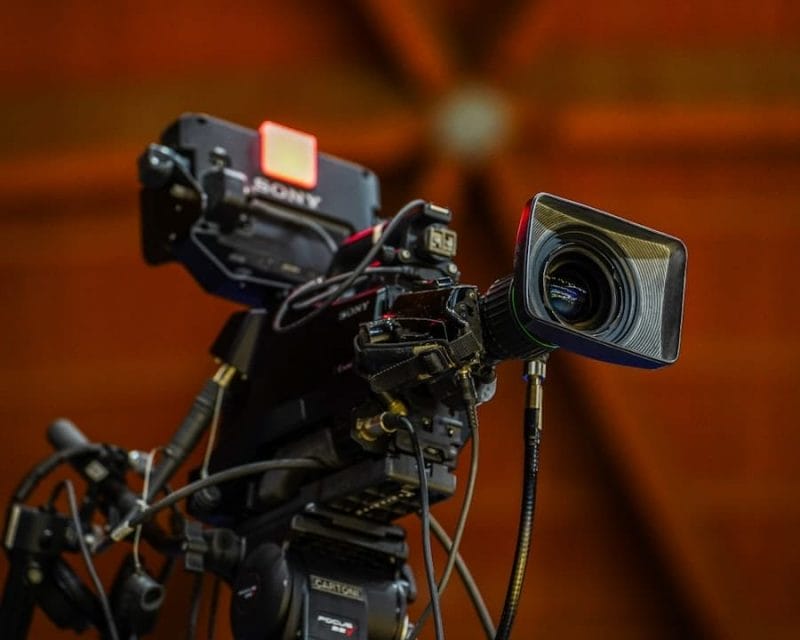
Framing refers to the way information is presented to audiences, influencing how they interpret events and issues. In sports media, framing can determine which aspects of a story are emphasized or downplayed. For example, a game-winning play might be framed as a testament to an athlete’s skill or as a result of poor defense from the opposing team. This choice can significantly affect how fans perceive the players involved and the overall outcome of the event.
Agenda setting is closely related to framing but focuses on what issues are prioritized in media coverage. Sports media can shape public discourse by highlighting specific topics while neglecting others. For instance, if a network chooses to focus on an athlete’s off-field controversies rather than their athletic achievements, it can shift public attention away from their performance. This selective emphasis can influence which narratives gain traction among fans and how they view the athletes involved.
Stereotyping and Bias in Sports Media
Stereotyping in sports media often manifests through the portrayal of athletes based on race, gender, or nationality. These stereotypes can perpetuate harmful narratives that affect how athletes are perceived by the public. For example, female athletes may be depicted in ways that emphasize their appearance rather than their athletic abilities, reinforcing traditional gender roles. Similarly, athletes from certain racial backgrounds may be pigeonholed into specific roles or narratives that do not reflect their individual talents or contributions.
Bias in sports media can also arise from personal or institutional affiliations. Journalists may favor certain teams or players based on regional loyalties or past experiences, leading to uneven coverage that skews public perception. This bias can create an environment where certain athletes receive disproportionate attention while others are overlooked. The consequences of such bias can be significant, affecting sponsorship opportunities, fan support, and even an athlete’s mental health.
The influence of sports media on public opinion is a fascinating topic that has garnered significant attention in recent years. As fans consume news and analysis from various platforms, their perceptions of athletes and teams can be shaped dramatically. For a deeper understanding of this phenomenon, you might find it interesting to read an article that explores how media narratives can sway public sentiment, such as the one found at this link. It highlights the role of truth-tellers in sports journalism and their impact on the audience’s views.
Influence of Sports Media on Public Opinion
Sports media plays a pivotal role in shaping public opinion about athletes, teams, and sporting events. The narratives constructed by journalists can influence how fans perceive not only individual performances but also broader issues within sports culture. For instance, extensive coverage of an athlete’s charitable work can enhance their public image, while negative reporting on personal issues may lead to public backlash.
The impact of sports media on public opinion is particularly evident during major events such as the Olympics or World Cup. The way these events are covered can shape national pride and identity, influencing how citizens view their country’s athletes and achievements. Additionally, sports media can serve as a platform for discussing social issues, prompting fans to engage with topics such as inequality or discrimination within sports.
The influence of sports media on public opinion is a topic of great significance, as it shapes how fans perceive athletes, teams, and even broader societal issues. For a deeper understanding of this dynamic, you can explore a related article that discusses the strategic elements of Major League Baseball and how they are communicated through various media channels. This analysis highlights the ways in which sports narratives are crafted and their subsequent impact on fan engagement and public perception. To read more about this fascinating intersection of sports and media, visit this article.
The Role of Social Media in Shaping Public Perception
Social media has revolutionized the landscape of sports media by providing athletes and fans with direct channels for communication. Platforms like Twitter, Instagram, and TikTok allow athletes to share their perspectives and experiences without the filter of traditional media outlets. This direct engagement can humanize athletes and foster a sense of connection with fans, but it also opens the door for potential backlash and scrutiny.
The immediacy of social media means that narratives can shift rapidly based on trending topics or viral moments. An athlete’s tweet or post can spark widespread discussion or controversy within minutes, influencing public perception in real time. Additionally, social media allows fans to participate in conversations about sports in ways that were previously unavailable, creating a more interactive environment where opinions can be shared and debated openly.
Impact of Sports Media on Athletes and Teams
The relationship between sports media and athletes is complex and multifaceted. On one hand, positive coverage can enhance an athlete’s brand and marketability, leading to lucrative endorsement deals and increased fan support. On the other hand, negative coverage can have detrimental effects on an athlete’s career and mental well-being. The pressure to perform under constant scrutiny can be overwhelming for many athletes, who must navigate both their professional responsibilities and public expectations.
Teams also feel the impact of sports media coverage. A team’s performance may be analyzed extensively in the press, influencing fan engagement and attendance at games. Additionally, how a team is portrayed in the media can affect its reputation within the league and among potential sponsors. Teams often engage with media strategically to shape their narratives and maintain a positive public image.
Sports Media and Political Discourse
Sports media often intersects with political discourse, particularly when athletes use their platforms to advocate for social change or address political issues. High-profile athletes have increasingly spoken out on matters such as racial injustice, police brutality, and mental health awareness. This activism has been amplified by sports media coverage, which can bring attention to these issues on a larger scale.
The relationship between sports and politics is not without controversy; some argue that athletes should remain apolitical while others believe they have a responsibility to use their influence for advocacy. Sports media plays a crucial role in framing these discussions, determining which voices are amplified and how their messages are received by the public. As a result, the intersection of sports media and political discourse continues to evolve as societal attitudes shift.
Sports Media and Cultural Representation
Cultural representation in sports media is essential for reflecting the diversity of athletes and audiences alike. Historically, certain groups have been underrepresented or misrepresented in sports coverage, leading to skewed perceptions of who participates in athletics. Efforts to promote inclusivity in sports media have gained traction in recent years, with calls for more equitable representation across gender, race, and ability.
The portrayal of diverse athletes can challenge stereotypes and broaden public understanding of different cultures within sports. When media outlets prioritize inclusive storytelling, they contribute to a richer narrative that resonates with a wider audience. This shift not only benefits underrepresented groups but also enriches the overall landscape of sports by showcasing a variety of experiences and perspectives.
Ethical Considerations in Sports Media
Ethical considerations are paramount in sports media as journalists navigate complex issues related to accuracy, fairness, and representation. The pressure to produce compelling stories can sometimes lead to sensationalism or misrepresentation of facts. Journalists must balance the need for engaging content with their responsibility to report truthfully and ethically.
Additionally, ethical dilemmas arise when covering sensitive topics such as mental health struggles or personal crises faced by athletes. Respecting an athlete’s privacy while providing necessary context for public understanding is a delicate balance that requires careful consideration. As the landscape of sports media continues to evolve with new technologies and platforms, maintaining ethical standards remains crucial for fostering trust between journalists, athletes, and audiences.
Navigating the Influence of Sports Media
The influence of sports media is profound and multifaceted, shaping perceptions of athletes, teams, and broader societal issues related to sports culture. As technology continues to evolve, so too does the landscape of sports media—creating new opportunities for engagement while also presenting challenges related to bias, representation, and ethics. Understanding these dynamics is essential for both consumers of sports media and those who produce it.
As audiences become more aware of the power dynamics at play within sports media, there is potential for more informed consumption of content. Fans can critically engage with narratives presented by journalists while advocating for more equitable representation within coverage. Ultimately, navigating the influence of sports media requires a commitment to understanding its complexities while recognizing its potential to shape public opinion and cultural discourse surrounding athletics.