
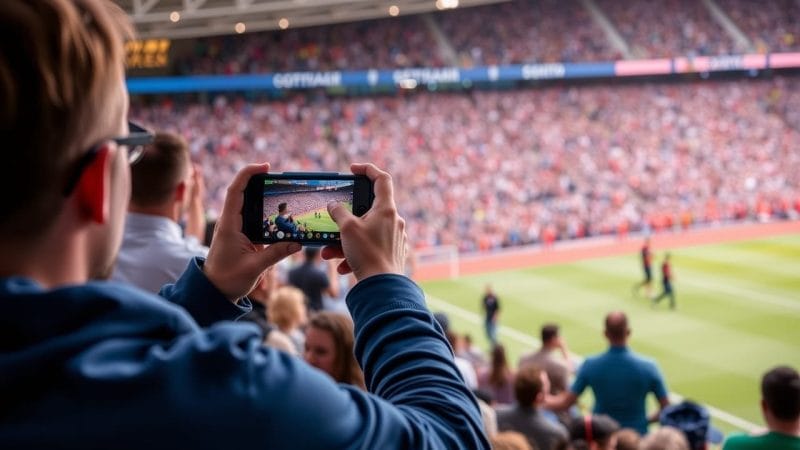
The Impact of Social Media Sports Narratives
Over 60% of sports enthusiasts actively engage on social media platforms, seeking real-time updates and insights about their favorite teams and athletes. This highlights the profound influence of these platforms on shaping and disseminating social media sports narratives [Statista]. This article delves into the multifaceted role of social media sports narratives, exploring how athletes, fans, and journalists leverage these channels to mold public opinion, foster communities, and influence the broader sports landscape. We will examine the evolution of sports reporting on social media, the power of athlete influence, and the dynamic ways fans engage within these digital spaces.
Understanding Social Media’s Role in Sports Narratives
Social media has revolutionized the creation and dissemination of sports stories. Traditionally, journalists and broadcasters held significant control over sports narratives. Today, athletes, teams, and fans have direct lines of communication, bypassing traditional gatekeepers to craft their own narratives. This democratization of information allows for diverse perspectives and fosters immediate engagement. However, it also raises concerns about accuracy and accountability.
Athletes utilize platforms like Instagram and Twitter to share personal stories, provide exclusive content, and respond to media coverage. This direct connection with fans strengthens relationships, allows athletes to control their image, and manage public perception. Teams leverage social media to engage fans, announce news, and promote upcoming events, fostering a sense of community and loyalty. Fans actively participate by sharing opinions, creating memes, and engaging in discussions, continuously shaping the narratives surrounding games, athletes, and teams.
The Evolution of Sports Reporting on Social Media
The rise of social media has significantly impacted sports journalism. Journalists have had to adapt to a fast-paced media environment. Social media sports narratives now require monitoring social platforms for breaking news, engaging with fans and athletes, and distributing content through social channels. Journalists grapple with information overload, facing challenges in verifying sources and upholding journalistic standards.
Many sports reporters now provide live updates on Twitter during events, offer instant analysis, and participate in conversations with fans. This immediacy has transformed sports coverage, making it more interactive and accessible. However, it also raises concerns about the spread of misinformation. Maintaining ethical standards in the digital age is crucial for journalists.
Athlete Influence on Social Media: Shaping Perceptions
Athlete influence on social media has emerged as a significant force in sports. Athletes with large followings leverage platforms to endorse products, advocate for causes, and promote social change. Their influence extends beyond the playing field, impacting consumer behavior, political discourse, and cultural trends. The power of athlete endorsements has fueled lucrative partnerships between athletes and brands, creating a multi-billion dollar industry. The narratives athletes create on social media are powerful marketing tools.
Athletes must also navigate the inherent risks of social media. They must manage online scrutiny, protect their personal information, and safeguard their image. Controversial posts or ill-considered comments can quickly go viral, triggering backlash and damaging careers. Carefully managing their online presence and maintaining a positive brand image is essential for athletes.
Fan Engagement and Social Media Sports Narratives
Vibrant sports fan social media communities have emerged online. These platforms enable fans to connect, express their passion for sports, and discuss their favorite teams and athletes. These digital communities foster a sense of belonging and empower fans to share opinions, celebrate victories, and commiserate over losses. Social media has become a virtual stadium where fans gather to cheer, debate, and create shared memories. The narratives are fueled by fan passion.
Teams and leagues actively cultivate these digital communities by providing engaging content, launching online contests, and responding to fan feedback. This direct interaction fosters loyalty and strengthens the bond between fans and their teams. Social media also empowers fans to shape the sports narrative by creating original content, sharing perspectives, and influencing broader discussions.
Analyzing the Impact of Social Media on Sports
Analyzing social media sports narratives is crucial to understanding how online platforms are reshaping the sports industry. By examining social data, researchers and marketers can gain insights into fan behavior, brand perception, and campaign effectiveness. Social listening tools can track trends, identify influencers, and measure sentiment associated with specific teams, athletes, or events. Analyzing sports on social media allows for better decision making.
This data-driven approach enables teams and brands to optimize social strategies, improve content, and target campaigns effectively. Social listening can also identify potential crises, monitor online conversations, and address negative feedback promptly.
The Future of Sports Storytelling in the Digital Age
Social media’s role in sports storytelling will continue to expand. Expect augmented reality and virtual reality to blur the lines between the physical and digital experiences, enhancing fan immersion. Blockchain technology could revolutionize ticketing and fan interactions, while AI-driven content may personalize sports narratives for each user. The challenge lies in balancing innovation with integrity, ensuring authenticity, fairness, and respect within the evolving landscape of sports storytelling.
Key Takeaways: Social Media and Sports
Social media has triggered a transformation in how sports narratives are created, distributed, and consumed. Athletes, journalists, teams, and fans all participate in shaping the online conversation, leading to a dynamic and fast-paced media environment. Understanding the power and impact of social media is essential for navigating the complexities of modern sports and maximizing its potential benefits.

Vince Douglas Gregory is the ‘petulant puppet master’ of a sports media landscape addicted to scripted rage and performance art. As the architect of VDG Sports, he bypasses the corporate talking heads to expose the unfiltered truth behind the narratives.
An unstable thinker and astute scholar, Vince thrives on dismantling the mediocre click-bait addicts who trade reality for engagement. If you want boring stats, go elsewhere. If you want the raw reality of the game, you’re in the right place. Consider yourself warned.